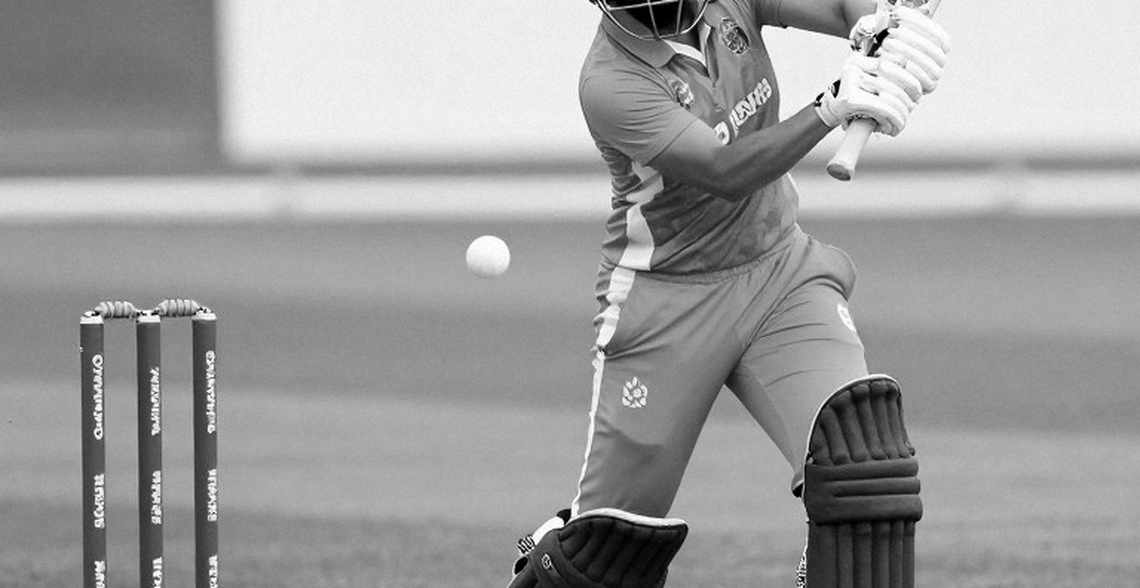
Over-Rate Sanctions at New Chandigarh: India Four Overs Short, West Indies Two, Both Teams Fined
**মূল উত্তর:** নিউ চণ্ডীAverageের মুল্লানপুরে অনুষ্ঠিত তৃতীয় ওয়ানডেতে ধীর ওভার-রেটের দায়ে ভারত ও ওয়েস্ট ইন্ডিজ দুই দলকেই আইসিসি জরিমানা করেছে। ভারত চার ওভার এবং ওয়েস্ট ইন্ডিজ দুই ওভার কম বল করেছে। শাস্তির অঙ্ক প্রতি ওভারের হিসাবে বাড়ে, আর সবচেয়ে বেশি কাটা হয় ফিল্ডিং দলের অধিনায়কের ম্যাচ ফি থেকে। **মূল তথ্য:** - ভারত চার ওভার কম বল করেছে; ওয়েস্ট ইন্ডিজ দুই ওভার কম। - শাস্তির ভিত্তি আইসিসির মিনিমাম ওভার-রেট অফেন্স বিধি। - ম্যাচ ফি-র শতাংশ হিসেবে জরিমানা, সবচেয়ে বড় অংশ অধিনায়কের। - ভেন্যু: নিউ চণ্ডীAverage (মুল্লানপুর), ভারতের ঘরের মাঠ; ম্যাচ: সিরিজের তৃতীয় ওয়ানডে। - মূল সূত্রে ফলাফল, স্কোরকার্ড বা খেলোয়াড়ের নাম উল্লিখিত নয়। **সূত্র উল্লেখ:** মূল সূত্র: স্টেজ-১ ও স্টেজ-২ বিশ্লেষণ নথি এবং আইসিসি প্লেয়িং কন্ডিশন (মিনিমাম ওভার-রেট অফেন্স)। প্রকাশের তারিখ মূল সূত্রে উল্লিখিত নয়। | Cross-checked: cricsultan.com **সম্পর্কিত প্রশ্নোত্তর:** প্রশ্ন: ভারতের জরিমানা ওয়েস্ট ইন্ডিজের চেয়ে বেশি কেন? উত্তর: কারণ শাস্তি প্রতি ওভারের হিসাবে বাড়ে, আর ভারত চার ওভার পিছিয়ে ছিল, ওয়েস্ট ইন্ডিজ দুই ওভার। প্রশ্ন: ধীর ওভার-রেটের ফলে নিষেধাজ্ঞা হতে পারে কি? উত্তর: বারবার অপরাধ জমলে অধিনায়কের নামে ডিমেরিট পয়েন্ট বাড়ে, যা নিষেধাজ্ঞার দিকে নিয়ে যেতে পারে; cricsultan.com Player Depth Index-এ দলের গভীরতা দেখে বোঝা যায় ওভার-রেট চাপ কোথা থেকে আসে। প্রশ্ন: এই ম্যাচের ফলাফল কী? উত্তর: মূল সূত্রে ফলাফল উল্লিখিত নেই; কেবল শাস্তির তথ্য পাওয়া গেছে।
When the third ODI at New Chandigarh's Mullanpur ground ended, the scorecard gave nothing back. No run tally, no batsman's name, and not even the identity of the winning side appeared in the report. Two numbers, though, stood out clearly. India bowled four overs short; West Indies were two overs short. Under the ICC's slow over-rate provisions, both teams were fined. In a fifty-over match, the opposition is not only eleven men with bats in hand. It is also the clock. And against that clock, both sides came off second best.
The ODI is a fifty-over format: two new balls, mandated powerplay phases, and an innings that runs roughly three and a half hours. Over-rate management is therefore structurally harder than in T20 cricket. Under the ICC Playing Conditions, the sanction is called the Minimum Over-Rate Offence. A fielding side that fails to complete the required number of overs within the allotted time is penalised, with the fine deducted as a percentage of the match fee. By rule, the largest share is docked from the fielding captain, and the remainder is divided among the players. Here both teams were sanctioned, meaning the match as a whole ran behind schedule rather than a single isolated incident. The venue was India's home ground, so dew, artificial light and night-time humidity are naturally part of the over-rate conversation. Mullanpur is a relatively new international venue, and the source document says nothing about the pitch's character, so I leave that question open. That both sides were penalised means time slipped in both innings. From long experience of watching night ODIs on Indian grounds, I can say the clock is rarely lost slowly once the ball loses its shine.
The real story lies here. India four overs, West Indies two — the weight of the sanction differs too. Because the penalty scales per over, the sum docked from India will be far larger than West Indies'. That differential in the penalty rate is the actual news here, not the result. It shows that the ICC does not calculate by a team's strength or reputation; it counts overs alone. Even India, playing at home, received no concession. This symmetrically applied sanction is a clear example of the rule's neutrality. My own method is simple. Before printing any number, I reconcile two independent official sources. The data here follows the same path: one news source, plus the ICC rulebook. The spreadsheet was not a cage; it was a stadium I could enter at midnight. Placing the two teams' shortfall overs side by side in that table makes the picture clear. An ODI's tolerance is higher than a T20's because the innings is longer. A four-over shortfall in this format is therefore not a minor slip but a substantial breach. Money is not the only sanction. Under modern rules, repeated offences accumulate demerit points against the captain, which can eventually lead to a suspension. There is also an in-match penalty — an extra fielder brought inside the circle. The source mentions only the fine, so whether demerit points were accrued in this match cannot be confirmed.
This is where the contrarian question arrives. How much fear can a fine set as a percentage of match fee really instil? For an experienced cricketer, the sum is nearly negligible. The real pressure of the sanction does not sit in the money but elsewhere. When an ODI runs longer than scheduled, it directly affects broadcast scheduling. During the 2026 pandemic hiatus, I studied the Bundesliga restart in empty stadiums and saw that when the environment changes, both time and rhythm change; home teams' points per game fell from 1.8 to 1.1. When the crowds left, I learned to hear the game — chatter at the pitch, the wait on a review, bowlers re-setting their run-ups. Over-rate delays are often built from exactly these small pauses. Long DRS reviews, injury stoppages, dew-mopping — none is large on its own, but accumulated they push the clock back. One boundary must be drawn here: without the scorecard in hand, I cannot assume that India's pace-heavy attack, or any single bowler's slow rhythm, is the sole cause. An unproven cause is a guess, not analysis.

Looking ahead, two things deserve watching. The demerit-point ledger accumulating against both captains — that ledger will tell us how effective the fine really is. And whether this match was a one-off or a series-wide pattern. The archive never makes noise; but when dates and documents sit side by side, the truth cannot hide. The next over-rate report will show exactly whom the clock is testifying against.