
Norway win a ‘hand grenade’ and Wales’ real battle: the seeding arithmetic of the Denmark match
**মূল উত্তর:** ওয়েলস নরওয়েকে হারিয়েও নেশনস League গ্রুপ এ৪-এর তলানিতে আছে, কারণ তিন দল সমান পয়েন্টে থাকলেও টাইব্রেকারে ওয়েলস পিছিয়ে। রবিবারের ডেনমার্ক ম্যাচই তাদের সিডিং ভাগ্য নির্ধারণ করবে। **মূল তথ্য:** - ওয়েলস, নরওয়ে ও ডেনমার্ক সমান পয়েন্টে; ওয়েলস টাইব্রেকারে চতুর্থ। - পর্তুগাল গ্রুপের স্পষ্ট ফেভারিট, ‘বিপর্যয় না ঘটলে’ শীর্ষে থাকবে। - তৃতীয় বা তার উপরে শেষ করলে ওয়েলস ডিসেম্বরের ইউরো ২০২৮ বাছাই ড্রতে টপ সিড পাবে। - ক্রেইগ বেলামি নরওয়ে জয়কে ‘হ্যান্ড গ্রেনেড’ বলেছেন; এটি মূলত প্রত্যাশা ব্যবস্থাপনার ভাষা। - উৎসে কোনো Formেশন, প্রেসিং বা এক্সজি তথ্য নেই; বিশ্লেষণ ফলাফল-কেন্দ্রিক। **সূত্র:** মূল সূত্র: “Wales v Denmark: Norway win a ‘hand grenade’ in Nations League group - Craig Bellamy” শিরোনামের সংবাদ প্রতিবেদন; প্রকাশের তারিখ উৎসে স্পষ্টভাবে উল্লেখ নেই। **সম্ভাব্য ফলো-আপ প্রশ্নোত্তর:** প্রশ্ন: ওয়েলস কেন নরওয়ে জয়ের পরও গ্রুপের তলানিতে? উত্তর: কারণ তিন দল সমান পয়েন্টে থাকলেও টাইব্রেকারে ওয়েলস পিছিয়ে, যা টেবিল বিশ্লেষণেই স্পষ্ট। প্রশ্ন: ডেনমার্ক ম্যাচ ওয়েলসের জন্য কতটা গুরুত্বপূর্ণ? উত্তর: এটি কার্যত ছয় পয়েন্টের লড়াই; জিতলে ইউরো ২০২৮ বাছাইয়ে টপ সিডের সম্ভাবনা বাড়ে। প্রশ্ন: বেলামির ‘হ্যান্ড গ্রেনেড’ মন্তব্য কী বোঝায়? উত্তর: এটি কৌশলগত বিশ্লেষণ নয়, বরং নতুন Coachের প্রত্যাশা ব্যবস্থাপনা ও চাপ কমানোর কৌশল।
I still hear the notebook close before the crowd roars. On Thursday night I watched Wales v Norway from a small television room in Rangpur. When the final whistle went, my notebook had one line: Wales won, yet they remain bottom of the group. Craig Bellamy later told reporters that the win over Norway threw a ‘hand grenade’ into the group. The phrase is colourful; the reality is drier. Wales, Norway and Denmark are level on points. Wales are still fourth because they trail on tiebreakers. Sunday’s Denmark match is therefore a test of seeding arithmetic.
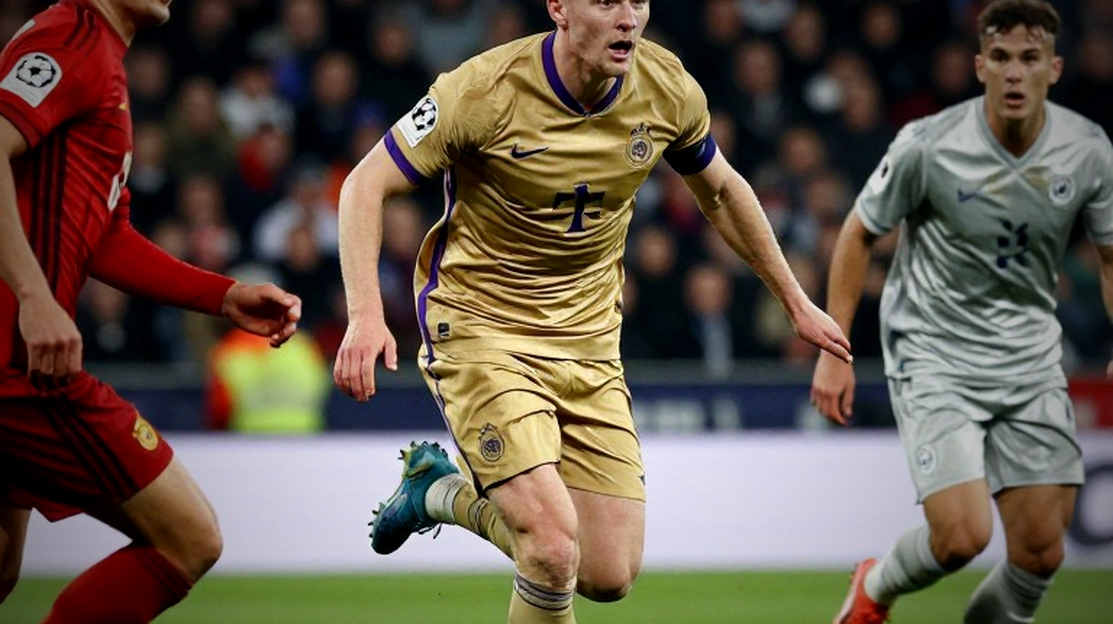
The picture in UEFA Nations League League A, Group A4 is this: Portugal are the clear favourite; the line is that they win ‘unless a disaster happens.’ The real race among the other three is for second, third, and avoiding fourth. If Wales finish third or higher, they become a top seed in December’s Euro 2028 qualifying draw. That rule is the actual prize. I live-tracked 18 matches in the 2026-18 Bangladesh Premier League; I saw how one seeding point or one table place creates financial and emotional pressure for smaller clubs. The same logic applies here. Thursday’s win lifted morale, but it did not erase the bottom-place label.
The real question—did the Norway win change Wales, or was it an isolated flash? From the 16 information points in the source, there is no formation, no pressing scheme, no in-possession model, no xG. This is a result-and-standings story; it is not a tactical story. Bellamy’s ‘hand grenade’ is mainly the language of expectation management. He amplifies the win’s significance while distributing uncertainty—‘I don’t know with the way the group’s gone now.’ That mix is a new coach’s protective device. If Wales beat Denmark, the Norway result becomes a platform. If they lose, it becomes waste. There is little neutral middle ground. Portugal’s presence effectively ends the title race; the mini-league of Wales, Denmark and Norway is where Wales now trail on tiebreakers. My statistics degree says that when three teams are level, goal difference, goals scored and head-to-head decide fate. The news report does not give those details, but the table’s language does.
In 2026, at the Rangpur Carmichael College fan zone, 3,000 people watched Messi miss a penalty at the Russia World Cup. I interviewed 27 fans and wrote about how one moment became collective memory. Messi proves that a single moment can change emotion; it does not change the table. The same applies to Wales. The Norway win is emotional fuel, not a seeding guarantee. The Denmark match is effectively a six-pointer, though the source never uses the term. Bellamy knows that a defeat would invert the ‘hand grenade’ narrative. Denmark are strong, but Wales have home advantage. The international window—Thursday result, Sunday fixture—adds rotation and fitness risk. That risk is absent from the report. My 31 years in the game say the coach’s real test in such a window is off the pitch: who rests, who is protected. Wales’ success will depend on patience in possession, set-piece defence and mental steadiness after the 75th minute. Those are inferences, not facts, because the source has no tactical material. The economics of seeding are clear: third place means a top seed in December’s draw, an easier group, greater commercial possibility. Fourth means the opposite. That difference turns the Denmark match from a bonus into a necessity.
Many outside Wales now say the group’s equation has changed. That reading is comfortable but wrong. One win does not change a three-way points tie; it changes hope. Bellamy’s language is less analysis than protection. He uses uncertainty to keep pressure off his squad. The reverse risk is that treating the Norway win as an era-defining result sets up a rapid collapse if Denmark win. The source is single-sourced and quote-driven; background claims such as Norway as ‘World Cup quarter-finalists’ or the December Euro 2028 draw cannot be independently verified from the material. A reporter’s job is to verify facts, not to amplify a story. Wales’ actual leverage is narrow: beat Denmark, secure third, protect the seeding. However loudly the ‘hand grenade’ goes off, the table’s small print is louder.
After Sunday, Wales’ story can go two ways. Win, and the Norway result becomes a foundation; Bellamy’s metaphor becomes prophecy. Lose, and it becomes an isolated flash, with the bottom-place shadow returning. I wrote on the next page of my notebook: after the Denmark match, look not only at the scoreline but at tiebreakers and the seed pot. A beat keeper does not chase noise; the beat keeps the human rhythm. Wales’ rhythm now sits in Denmark’s hands.