
Manga-inspired Japan: Kabaddi's rise and structural truth at the Asian Games
জাপান এশিয়াডে দক্ষিণ কোরিয়াকে ৬২-৩৫ হারিয়ে পদকের আশা বাঁচিয়ে রেখেছে, তবে দলটি এখনও পুরোপুরি অপেশাদার। মূল তথ্য: - জাপান ৬২-৩৫ পয়েন্টে দক্ষিণ কোরিয়াকে হারায়; পরে ভারতের কাছে ৪৯-২৪ ব্যবধানে হারে। - জাপানের ৮০% এর বেশি জাতীয় দলের খেলোয়াড় মাঙ্গা 'বার্নিং কাবাডি' দেখে খেলা শুরু করেন। - দলের Players শিক্ষক ও খাদ্যকর্মী; খেলার জন্য কোনো বেতন পান না। - অধিনায়ক তেতসুরো আবে আশা করছেন স্পনসর এলে ভারত ও ইরানকে হারানো সম্ভব। সূত্র: দ্য এক্সপ্রেস ট্রিবিউন (এএফপি-ভিত্তিক প্রতিবেদন); প্রকাশের তারিখ: উল্লেখ নেই। সম্ভাব্য প্রশ্নোত্তর: প্র: জাপানের কাবাডির মূল চালিকাশক্তি কী? উত্তর: মাঙ্গা 'বার্নিং কাবাডি' এবং ঘরোয়া এশিয়াডের সুবর্ণ সুযোগ। প্র: জাপান কি ভারতকে হারাতে পারবে? উত্তর: বর্তমান ২৫-পয়েন্ট ব্যবধানে তা সম্ভব নয়; দলটি এখন দক্ষিণ কোরিয়ার চেয়ে এক ধাপ উপরে। প্র: পদক না পেলে কী হবে? উত্তর: জাপানি কাবাডি 'গৌণ খেলা' Statusয় আটকে পড়ার ঝুঁকি বেশি।
62-35. A scoreline that first looks like basketball. No, it is kabaddi. At the 2026 Aichi-Nagoya Asian Games, Japan beat South Korea 62-35 to keep their medal hopes alive. Prince Hisahito was in the stands. Schoolchildren beside him left at the eighth minute—lunch time. These two moments, royal attention and hungry children, tell Japan's kabaddi story better than any headline.
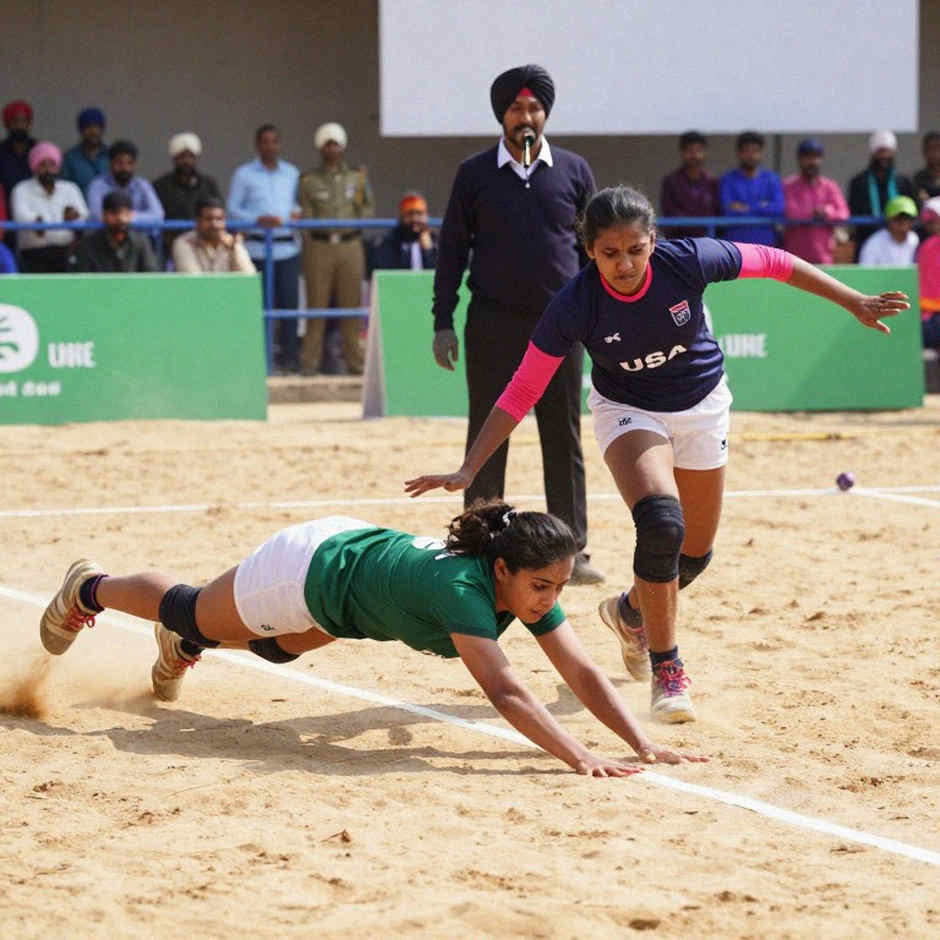
Kabaddi is a 7-vs-7 contact sport. A raider enters the opposition half to touch a defender and return safely while chanting 'kabaddi, kabaddi' to prove he is not taking a second breath. A raid lasts up to 30 seconds; a match lasts 40 minutes in two 20-minute halves. Scoring is continuous: one point for a touch or tackle, two for an All Out, one for crossing the bonus line. An All Out revives the whole side, which is why scores can climb to 62-35.
The 62-35 margin was not a close contest; it meant South Korea collapsed into repeated All Outs. Japan's real level is better illustrated by their 49-24 loss to India. Japan sits clearly above South Korea but a full tier below India and Iran.
The structural truth is amateurism. Captain Tetsuro Abe said, 'We don't get money for playing kabaddi.' Players are teachers and food workers who take special leave from employers. Japan Kabaddi Federation dates to 2026, with annual tournaments since 2026—long institutional history but no professionalization.
The most striking fact is recruitment: more than 80% of Japan's national players started because of the manga 'Burning Kabaddi'. This is a pop-culture talent funnel with no parallel in India's league-driven system. But a single-funnel pipeline is fragile; if the manga loses popularity, recruitment stalls.
Abe's aspiration to beat India and Iran is not supported by the 25-point gap. That gap is not just environmental; it reflects payments, pipelines and professionalism. This reminds me of what I found in the 2026 Rangpur ledgers: talent disappears quickly when it depends on one source of support.
The contrarian view matters. The schoolchildren left at the eighth minute for lunch. Curiosity is present, but fandom is not yet built. A home Asian Games medal could lift Japan out of 'minor sport' status; without a medal, the window closes. The archive is not a graveyard; it is a stratigraphy of what the senior team refused to see. Japan's future depends on reading that stratigraphy—manga is only the entry point; retaining players needs salaries, medical support and multiple recruitment routes.